inspired
by
fragments
of
Ingeborg
Bachmann’s
»TODESARTEN«
Upcoming Exhibitions
- Staranzano — July / August 2026 (exact dates to be announced)
- Zurich — 8–22 April 2027
- Venice — 2027 (details to be announced)
- Rome — 2027 (details to be announced)
- Vienna — 2027 (details to be announced)
MODI DI MORIRE
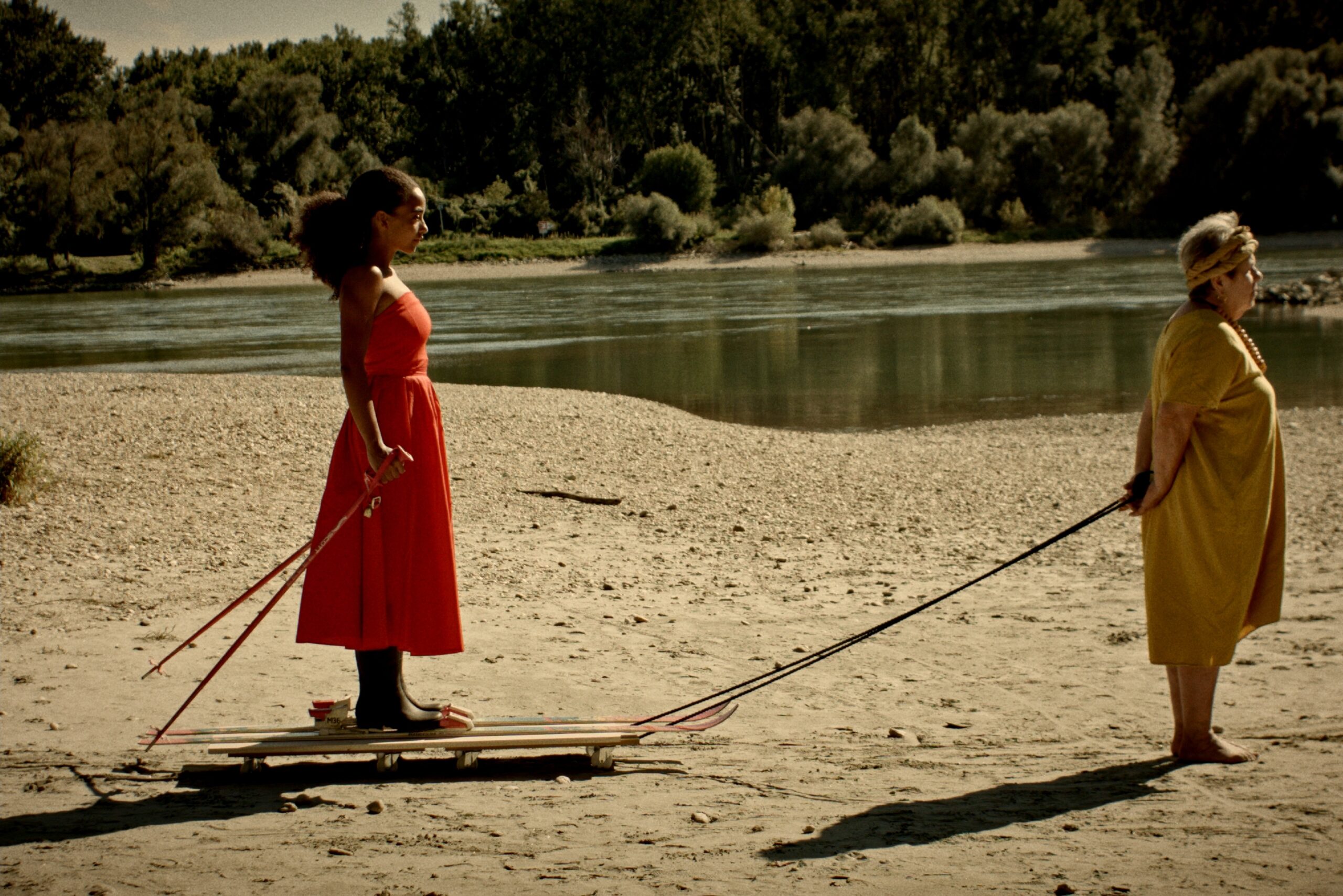
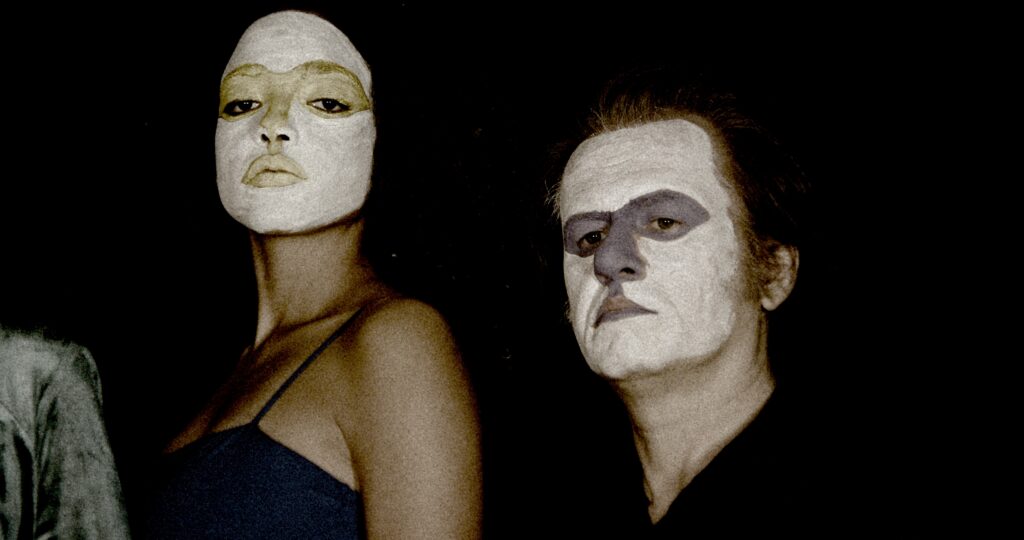
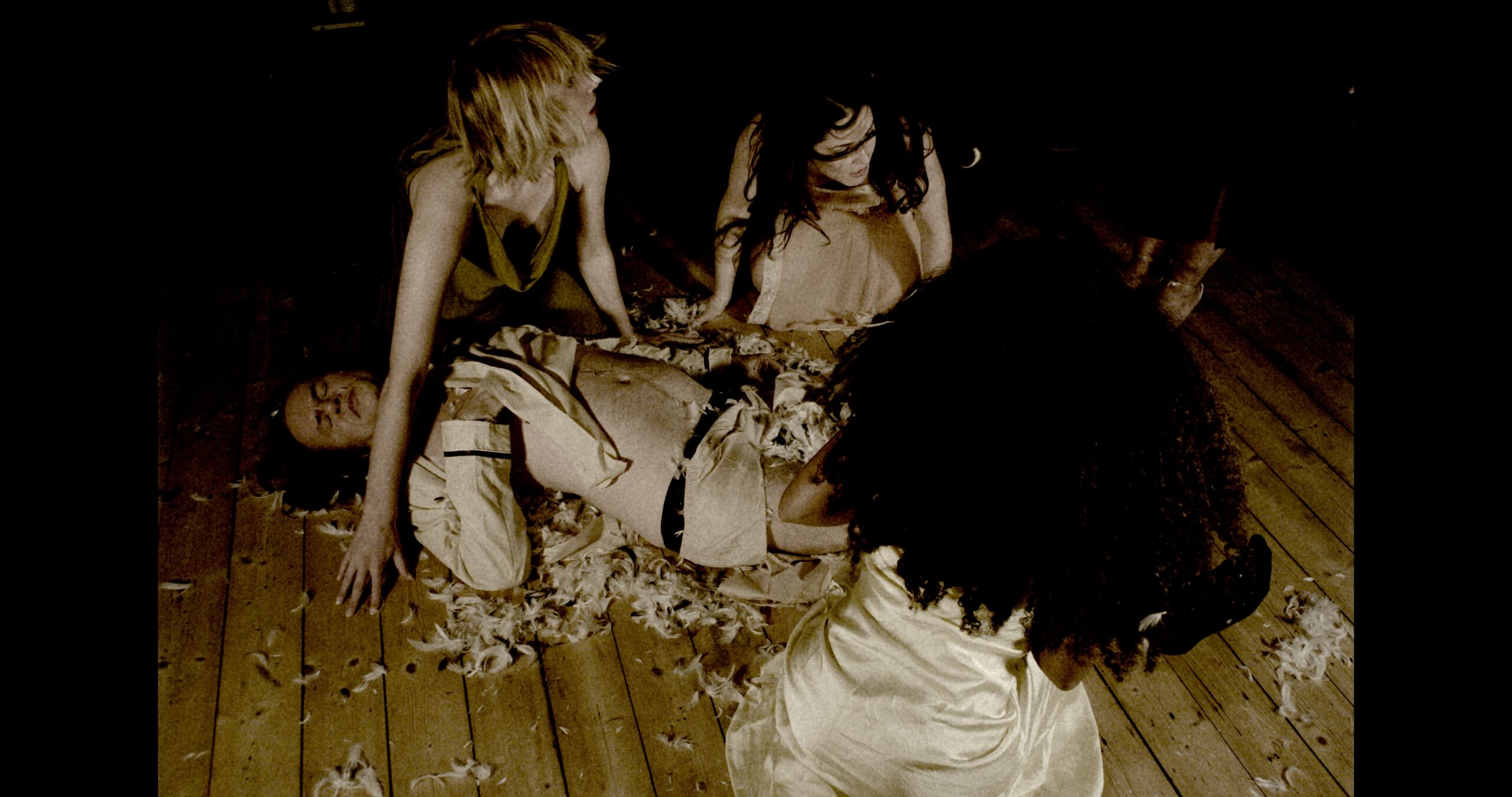
is situated at the intersection of film and video installation, weaving excerpts from Bachmann’s project cycle »Ways of Dying« (Todesarten) into a collage that reveals an ambivalent and painful confrontation with the self and the world. The dreamlike tableaux draw on symbols and fragments from Bachmann’s texts and personal dream notes, creating a multilayered portrait of her inner landscape of thought and emotion.
steht an der Schnittstelle von Film und Videoinstallation und verwebt Textauszüge aus Bachmanns Projektzyklus Todesarten zu einer Collage, die Einblicke in eine ambivalente und schmerzhafte Auseinandersetzung mit sich selbst und der Welt eröffnet. Die traumhaft anmutenden Tableaus greifen Symbole und Versatzstücke aus Bachmanns Texten und persönlichen Traumnotaten auf und erzeugen auf diese Weise ein vielschichtiges Bild ihrer Gedanken- und Gefühlswelt.
si colloca all’intersezione tra film e videoinstallazione e intreccia estratti del ciclo progettuale di Bachmann Todesarten in una composizione che apre scorci su un confronto ambivalente e doloroso con sé stessa e con il mondo. I tableaux dall’atmosfera onirica riprendono simboli e frammenti dai testi di Bachmann e dai suoi appunti onirici personali, generando così un’immagine stratificata del suo universo di pensieri ed emozioni.
Ingeborg Bachmann morì tragicamente a Roma nel 1973 a seguito di un incendio nel suo appartamento: aveva solo 47 anni. Per molto tempo, voci e pettegolezzi circolarono sulle esatte circostanze della sua morte. Nel 2026 avrebbe compiuto 100 anni. MODI DI MORIRE è dedicato alla sua opera tarda Todesarten, rimasta incompiuta.
Ingeborg Bachmann died tragically in Rome in 1973 after a fire in her apartment—she was only 47. For a long time, rumors surrounded the exact circumstances of her death. In 2026, she would have turned 100. MODI DI MORIRE is dedicated to her late work Todesarten, which remained incomplete.
Ingeborg Bachmann starb unerwartet 1973 in Rom nach einem Brand in ihrer Wohnung – sie war erst 47 Jahre alt. Lange Zeit rankten sich Gerüchte um die genauen Umstände ihres Todes. Im Jahr 2026 wäre sie 100 Jahre alt geworden. MODI DI MORIRE ist ihrem späten Werk »Todesarten« gewidmet, das nur in Fragmenten realisiert wurde.
…over there, a few districts away, he was still ten years younger, her butcher, whom she called Pig, even though she was the animal he had slaughtered, a lamb, Lamb of God, no, not of God, just—she had been his animal, but because she had never been an animal, at most a lamb, she thought, Lamb of God, and my immortal soul. But she had no immortal soul, that she knew…
…dort drüben, einige Bezirke weiter, war er noch immer zehn Jahre jünger, ihr Schlächter, den sie Schwein nannte, obwohl sie das Tier war, das er geschlachtet hatte, ein Lamm, Lamm Gottes, nein, nicht Gottes, einfach, sie war sein Tier gewesen, weil sie aber nie ein Tier war, höchstens ein Lamm, dachte sie, Lamm Gottes, und meine unsterbliche Seele. Sie hatte aber keine unsterbliche Seele, das wußte sie,…
…laggiù, a qualche quartiere di distanza, lui era ancora dieci anni più giovane, il suo macellaio, che lei chiamava Maiale, anche se lei era l’animale che lui aveva macellato, un agnello, Agnello di Dio, no, non di Dio, semplicemente—lei era stata il suo animale, ma poiché non era mai stata un animale, al massimo un agnello, pensava, Agnello di Dio, e la mia anima immortale. Ma non aveva un’anima immortale, questo lo sapeva…
Ingeborg Bachmann, Requiem für Fanny Goldmann, 1972
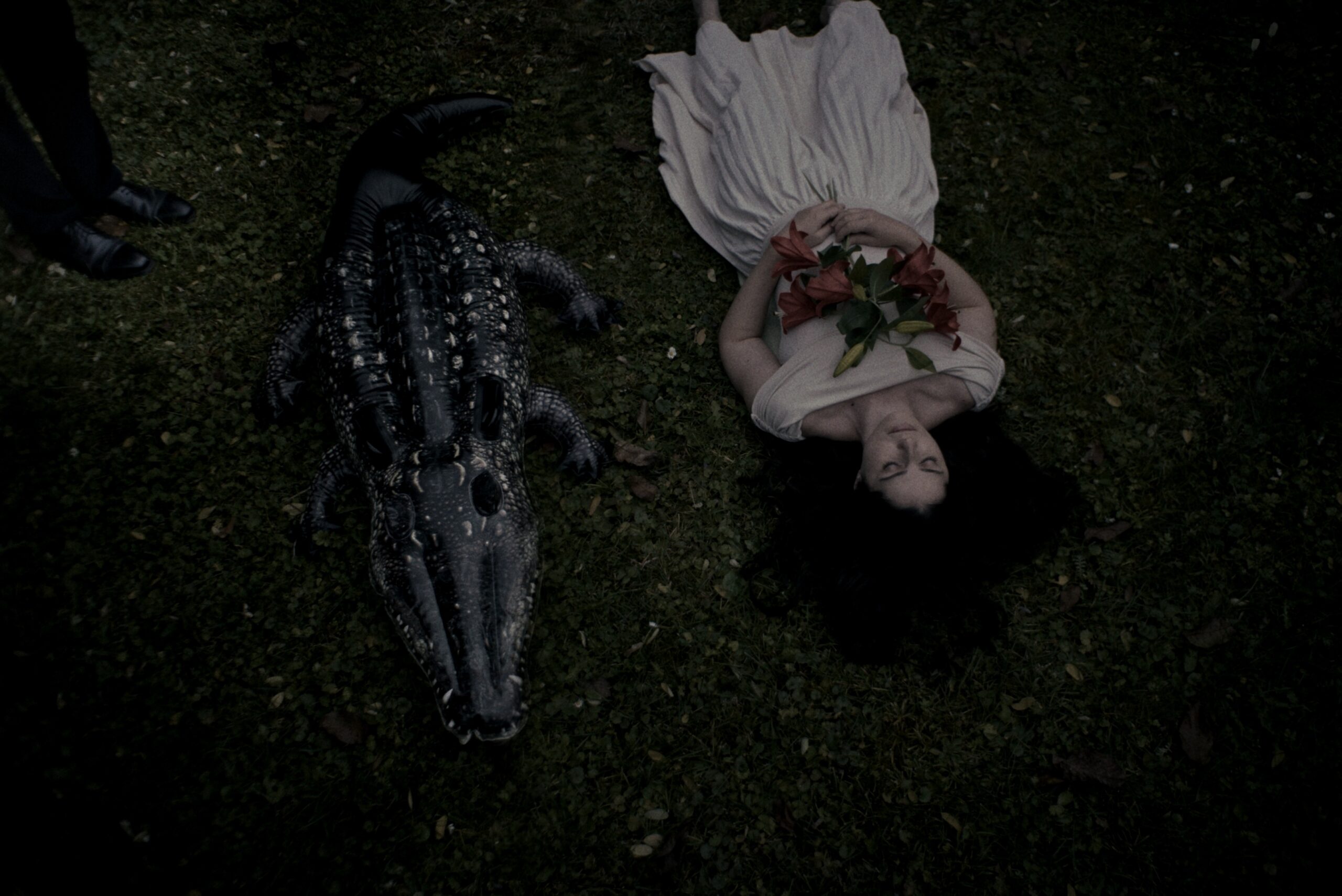
The crocodile sometimes opens its huge jaws languidly; scraps hang there, scraps of flesh from other women, and the names of all the women it has torn apart come to my mind. Old blood floats on the water, but fresh blood too; I don’t know how hungry my father is today.
Das Krokodil öffnet manchmal schmachtend den großen Rachen, es hängen die Fetzen, Fleischfetzen von den anderen Frauen darin, und mir fallen die Namen aller Frauen ein, die es zerrissen hat, es schwimmt altes Blut auf dem Wasser, aber auch frisches Blut; ich weiß nicht, wie hungrig mein Vater heute ist.
Il coccodrillo a volte apre languidamente le sue enormi fauci; vi pendono brandelli, brandelli di carne di altre donne, e mi vengono in mente i nomi di tutte le donne che ha fatto a pezzi. Sangue vecchio galleggia sull’acqua, ma anche sangue fresco; non so quanto abbia fame mio padre oggi.
Ingeborg Bachmann, Malina, 1971
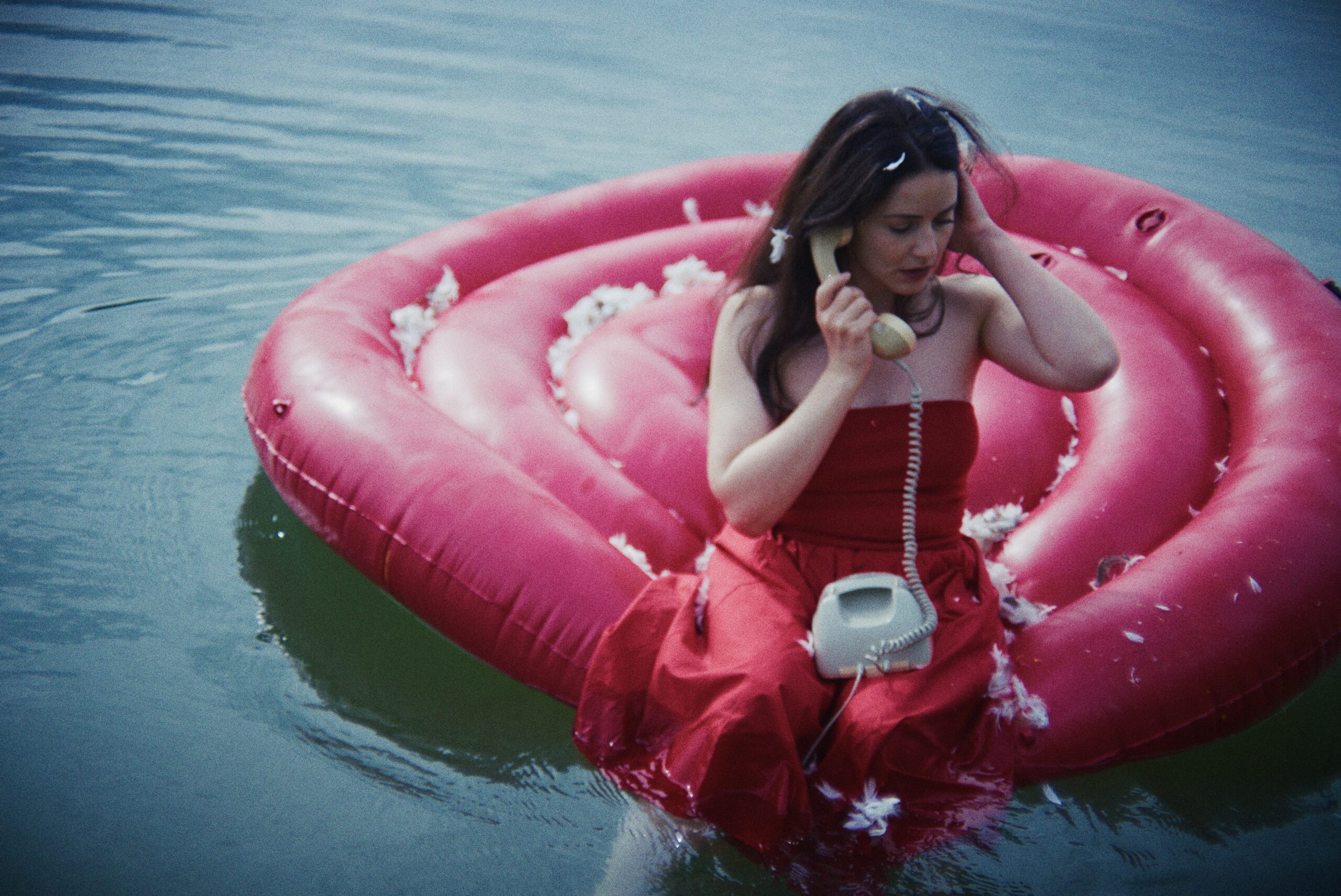
A place called Everywhere and Nowhere.
The time is not today.
Time is no longer at all, for it could have been yesterday, could have been a long time ago, it can be again, be always, there are some things that will never have been …
Ein Ort, der heißt Überall und
Nirgends. Die Zeit ist nicht heute.
Die Zeit ist überhaupt nicht mehr,
denn es könnte gestern gewesen sein,
lange her gewesen sein, es kann
wieder sein, immerzu sein, es wird
einiges nie gewesen sein ...
Un luogo che si chiama Ovunque e In Nessun Luogo.
Il tempo non è oggi.
Il tempo non è più affatto, perché avrebbe potuto essere ieri, essere stato molto tempo fa, può essere di nuovo, essere sempre, ci sono cose che non saranno mai state …
Ingeborg Bachmann, Malina, 1971
starring
SAFIRA ROBENS
LILI WINDERLICH
DANIELA ZACHERL
CHRIS VON DAVID
LISA FRIEDINGER
SUSANNE PILAT
voice-over
ARTEMIS CHALKIDOU
a film by
TINA-MARIA FEYRER
music
FRIEDERIKE BERNHARDT
sound design
MARIUSZ ORCHEL
sound-recording
GRAND POST
supported by
Filmförderung Land Kärnten Kultur